

Nuclear Museum Logo
Nuclear Museum Logo

National Museum of Nuclear Science & History

Joan E. Curran

PhysicistUniversity of California, Berkeley

Britain
Manhattan Project VeteranScientistSpouse to Manhattan Project WorkerWoman Scientist
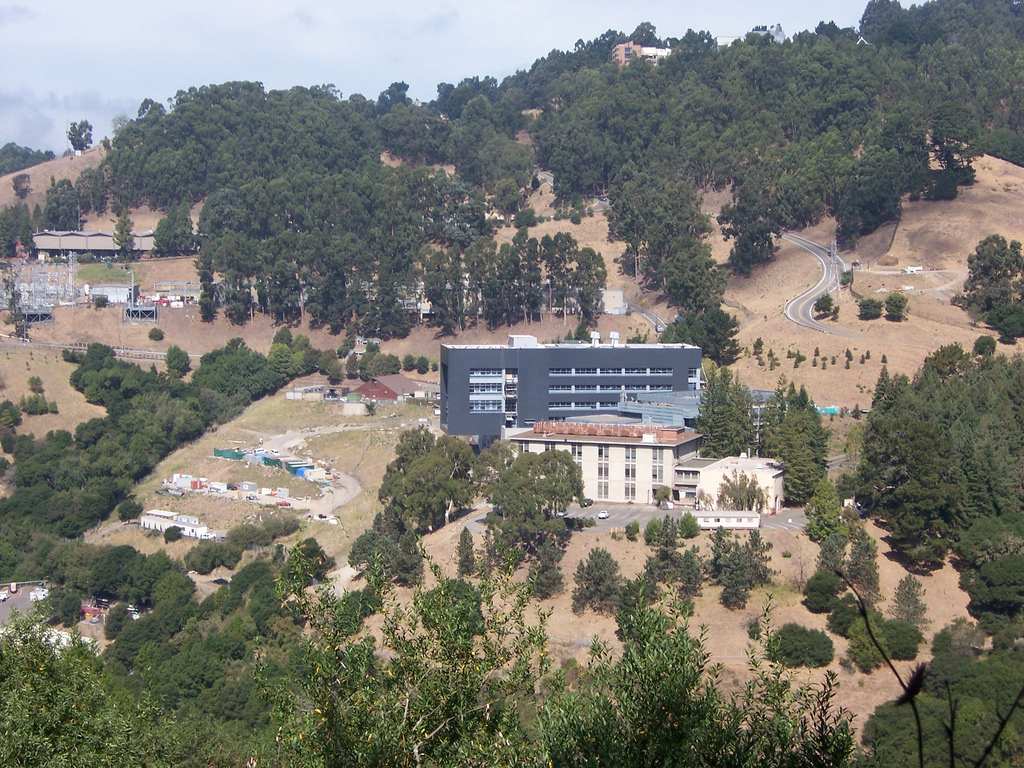
Lawrence Berkeley National Laboratory

Joan Elizabeth Curran (1916-1999) was a Welsh physicist.

Curran was born in Swansea, Wales. During World War II, she worked on Operation Windows, where she invented the “chaff,” a technique which could disrupt enemy radar. Together with her husband, physicist Samuel Curran, she also worked on the proximity fuse that would prove vital in the destruction of German V-1 rockets.

In 1944, Curran went to work on the Manhattan Project at the Radiation Laboratory in Berkeley, California. During her time there, she worked on the electromagnetic isotope separation process.

Joan Curran died on February 10, 1999, in Glasgow, Scotland.

 
Joan E. Curran’s Timeline
1916 Feb 26th Born in Swansea, Wales.

19441945 Worked on the Manhattan Project at the University of California at Berkeley.

1999 Feb 10th Died in Glasgow, Scotland.

Related Profiles

Jack Aeby

Los Alamos, NM

Jack Aeby graduated Mound City (MO) High School in 1941. He went to the University of Nebraska, studying chemistry until the spring of 1943 when he received his draft notice.

Mary Lou Curtis

Dayton, OH

Mary Lou Curtis joined the Manhattan Project in Dayton, Ohio in 1943. Mrs. Curtis worked in the Counting Room at Monsanto’s Unit III facility, where she developed new methods to measure and analyze radioactive materials, such as polonium, which was used as the trigger for the atomic bombs.

Ross C. Hill

Oak Ridge, TN

Ross Hill worked for the United States Engineer District Office.

Roy W. Greenlee

Chicago, IL

Roy Greenlee was a chemist at the University of Chicago Metallurgical Lab and at Oak Ridge, Tennessee.