

Nuclear Museum Logo
Nuclear Museum Logo

National Museum of Nuclear Science & History

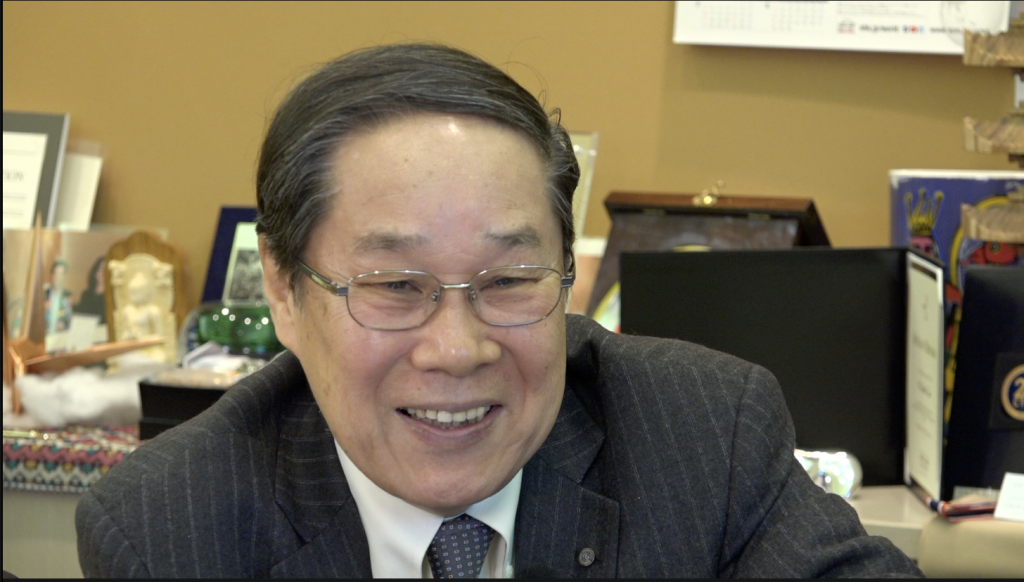
Masao Tomonaga

Professor, Honorary Director of the Japanese Red Cross Nagasaki Atomic Bomb HospitalJapan

ExpertHibakusha

Dr. Masao Tomonaga is the honorary director of the Japanese Red Cross Nagasaki Atomic Bomb Hospital and a hibakusha, an atomic bomb survivor. He studied internal medicine and hematology at the Nagasaki University Medical School. Throughout his career he has explained and studied the medical consequences of the atomic bombs, including radiation exposure, cancers, depression, and post-traumatic stress disorder.

Currently, he runs a retirement home for older hibakusha. He is also the Chairman of the Nagasaki Global Citizen’s Assembly for the Elimination of Nuclear Weapons. He advocates that nuclear weapons “should not be produced any more, should never be used again and ultimately abandoned forever.”

To view a 2019 interview with Tomonaga, conducted by the Atomic Heritage Foundation, please click here.

For more on Masao Tomonaga please click here. 

Masao Tomonaga’s Timeline
1943 Born in Nagasaki, Japan.

1945 Aug 9th Survived the Nagasaki atomic bombing.

2009 Retired from the Atomic Bomb Disease Institute of Nagasaki University.

Related Profiles

Bruce Cameron Reed

Bruce Cameron Reed is a physicist and a professor at Alma College. Reed completed his Ph.D. in Physics at the University of Waterloo in Canada in 1984.

Emperor Hirohito

Japan

Hirohito (1901-1989), known posthumously as Emperor Shōwa, was emperor of Japan during World War II and is Japan’s longest-serving monarch in history.

Richard Eymann

Hanford, WA

Richard Eymann is a founding partner and lead litigator for the Eymann Allison Hunter Jones Law Firm.

Thomas E. Marceau

Hanford, WA

Thomas E. Marceau is an archaeologist and cultural resources specialist at the Hanford site.  Marceau works closely with Northwest tribal nations—including the Confederated Tribes of the Umatilla Indian Reservation and the Yakama Nation—and federal agencies to evaluate archaeological/traditional cultural places and protect Native American sacred places.