

Nuclear Museum Logo
Nuclear Museum Logo

National Museum of Nuclear Science & History

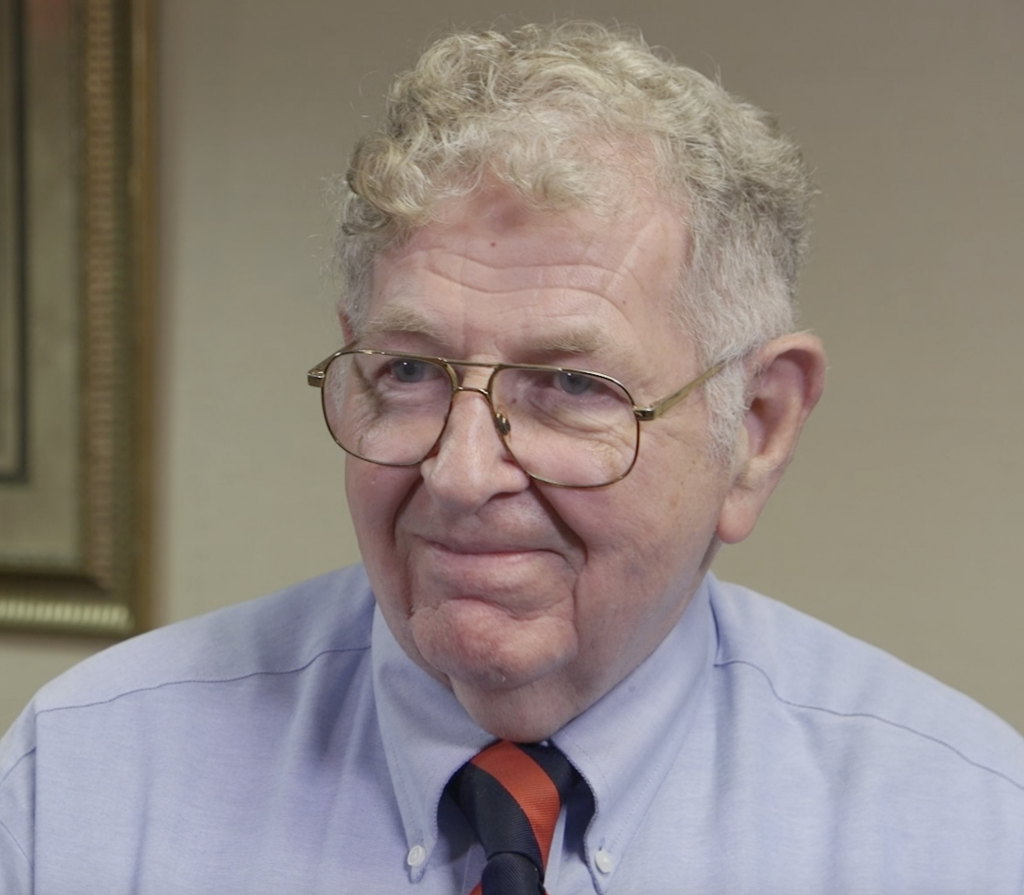
Robert Krauss

Official Historian of the 509th Composite Group

Expert
Bob Krauss Listen to Robert Krauss’s Oral History on Voices of the Manhattan Project

Robert “Bob” Krauss is the Official Historian of the 509th Composite Group. He and his wife, Amelia Krauss, published The 509th Remembered, which profiles the service members of the 509th Composite Group and the events that surrounded the group and its role in dropping the atomic bombs on Hiroshima and Nagasaki.

Krauss became interested in collecting and preserving the history of the 509th in his twenties after reading the book Enola Gay by Max Morgan-Witts. During his research, he met and befriended many of the airmen of the 509th, including Donald Albury, Ray Gallagher, Fred Olivi, Paul Tibbets, George Caron, and others.

Krauss began planning the 509th’s reunions in 2000, and has hosted the gathering for nearly two decades. Over the years, he has collected photographs, correspondence, flight suits, and other artifacts from the members of the 509th.


Related Profiles

Ruth Howes

Los Alamos, NM

Ruth Howes is professor emerita of physics and astronomy at Ball State University and former chair of the physics department at Marquette University with an interest in the history of women physicists.

Thomas E. Marceau

Hanford, WA

Thomas E. Marceau is an archaeologist and cultural resources specialist at the Hanford site.  Marceau works closely with Northwest tribal nations—including the Confederated Tribes of the Umatilla Indian Reservation and the Yakama Nation—and federal agencies to evaluate archaeological/traditional cultural places and protect Native American sacred places.

John Price

​John Price is an environmental manager who has been working on radioactive waste cleanup projects for more than 35 years.

Jim Eckles

Trinity Site

Jim Eckles worked for decades for the White Sands Missile Range Public Affairs Office, managing open houses and tours of the Trinity site, where the world’s first nuclear test took place.